Most parents want the same things for their children, and most adults want them for themselves: to think clearly, to read something difficult and understand it, to weigh an argument, to speak well, and to know what a good life looks like. For more than two thousand years, the West had a name for the education that aimed at exactly this. It called it the liberal arts.
The idea begins with the Greeks, who asked what a free person needs to know. The Romans named the answer the artes liberales, the arts befitting a free citizen, and by the Middle Ages they had settled into seven. Three trained the mind in language and reasoning: grammar, logic and rhetoric. Four trained it in number and order: arithmetic, geometry, music and astronomy. The aim was always larger than skill. Socrates held that the unexamined life is not worth living, and these arts were how a student learned to examine it. They formed character as well as intellect. Students became apprentices of virtue.
This kind of education sends a person back into the world better equipped for it. A student who can read closely, reason carefully and argue honestly carries those habits into any work: medicine or law, a trade or a farm, a family or a business. It is the foundation for further study, for a vocation worth the name, and for the harder business of living well.
The world, in all its diversity, is eager to be guided towards the great values of mankind, truth, goodness and beauty; now more than ever.
Congregation for Catholic Education, 2014
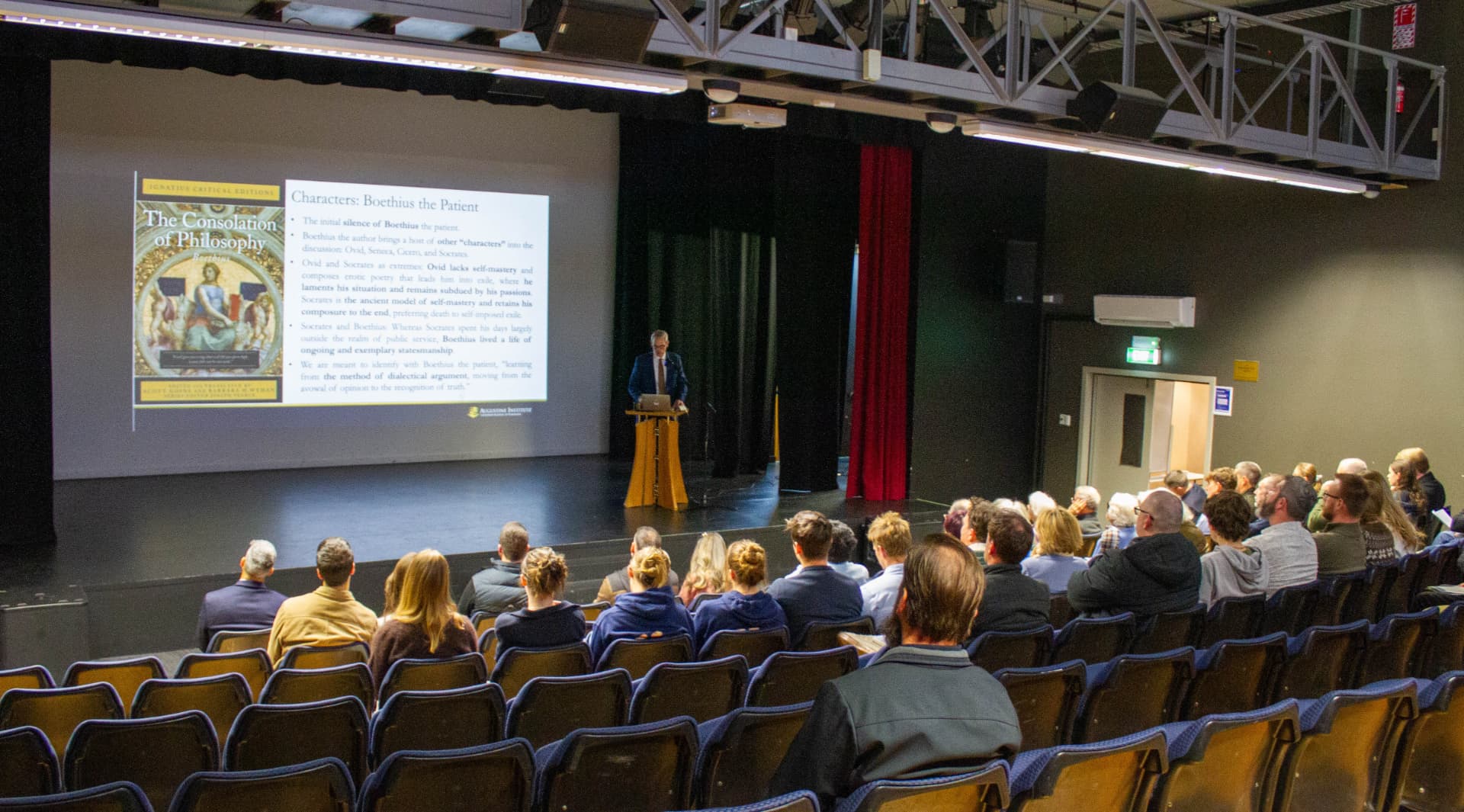
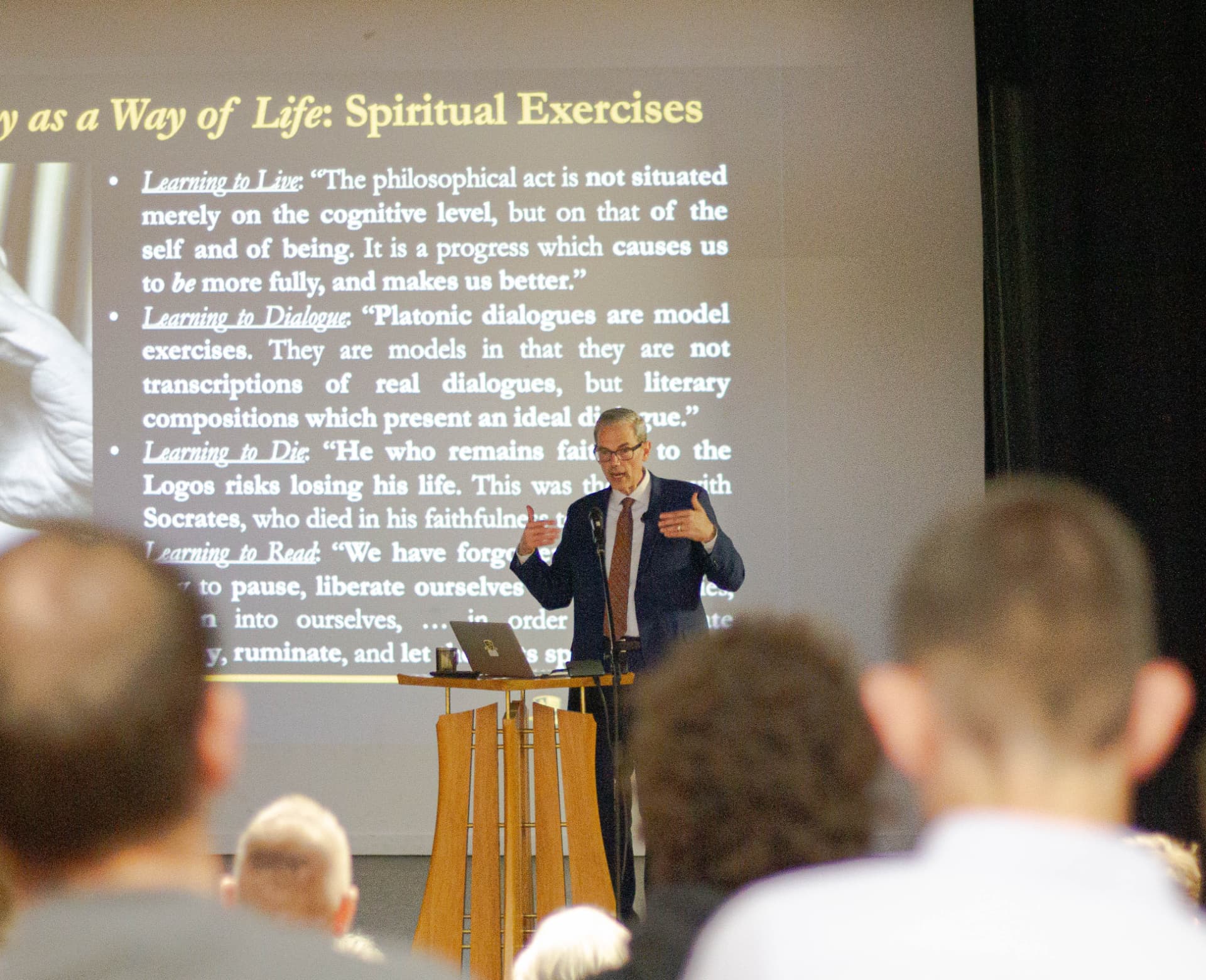
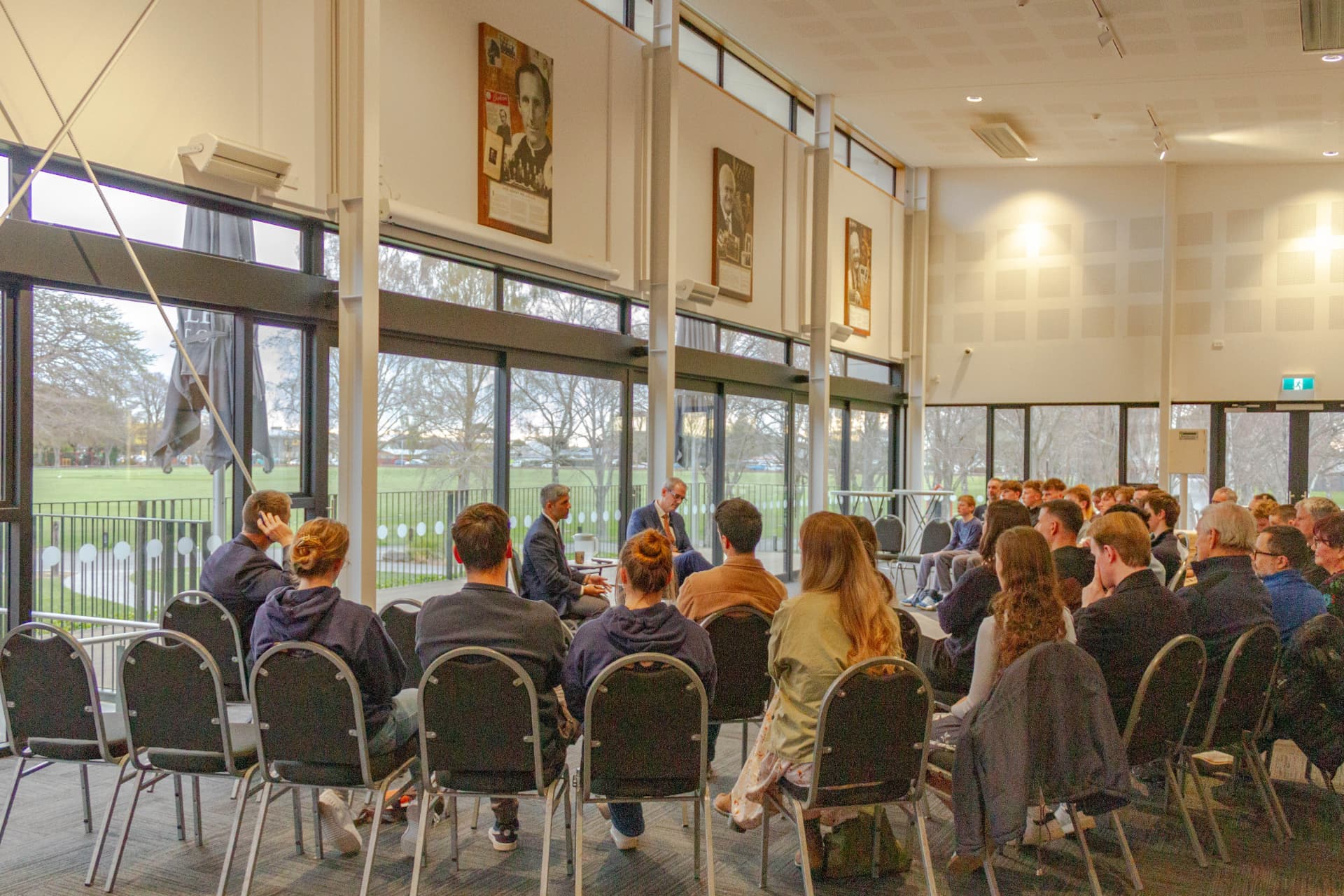
Sooner or later, the liberal arts bring every student to the questions that matter most. What is real? What is a human being for? What do we owe one another? These are the questions of metaphysics and ethics, the oldest in philosophy, and a mind trained to ask them well learns to tell what is meaningful from what is merely urgent. The Trust gathers teachers, parents and students around these questions, through books and conversation, so that New Zealanders can meet the present with the best of what has been thought and said.